
Cities around the world are increasingly adopting artificial intelligence–powered surveillance systems to improve public safety and strengthen urban security infrastructure. As urban populations continue to grow, managing security across crowded public spaces, transportation hubs, and critical infrastructure has become a major challenge for city administrations.
AI-powered surveillance systems are helping address these challenges by transforming traditional camera networks into intelligent monitoring platforms capable of analyzing real-time video feeds and detecting unusual activities instantly.
Unlike conventional CCTV systems that rely heavily on manual monitoring, AI-driven platforms use advanced computer vision algorithms to automatically detect suspicious behavior, unauthorized access, crowd congestion, and potential safety risks. This allows authorities to respond more quickly to incidents and take proactive measures before situations escalate.
One of the key technologies driving this shift is edge AI, which processes video data directly on local devices or smart cameras instead of sending all data to centralized cloud servers. By performing analysis closer to the data source, edge AI significantly reduces latency and enables real-time decision-making.
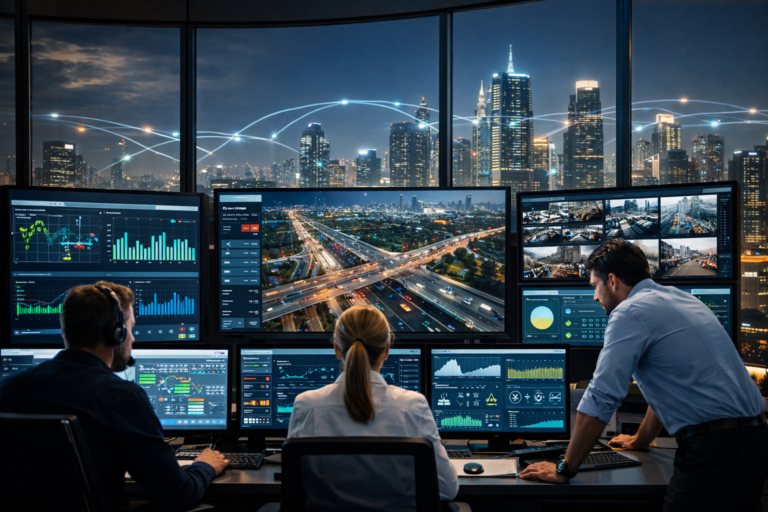
In smart city environments, AI-powered surveillance systems are being integrated with other digital infrastructure such as traffic management platforms, emergency response systems, and public transportation networks. This interconnected approach allows cities to build a comprehensive security ecosystem capable of monitoring multiple urban environments simultaneously.
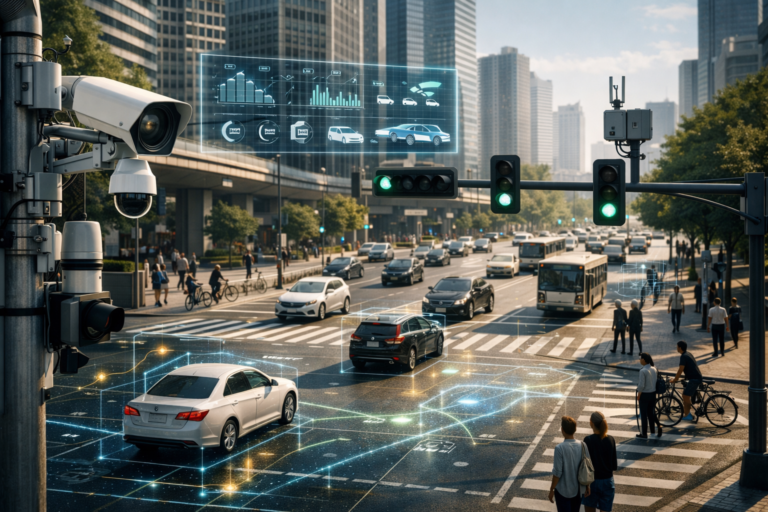
For example, intelligent cameras deployed across busy intersections can detect traffic violations, monitor pedestrian safety, and identify accidents within seconds. Similarly, surveillance systems installed in airports, railway stations, and public venues can automatically alert security teams about unattended objects or unusual crowd movements.
Beyond security applications, AI video analytics also provide valuable insights that help city planners improve urban management. Data generated from surveillance systems can reveal traffic patterns, pedestrian movement trends, and crowd density information, helping authorities optimize city operations and improve infrastructure planning.
Governments across several regions are investing heavily in AI-powered public safety technologies as part of their broader smart city initiatives. By leveraging intelligent video analytics and real-time monitoring, cities aim to create safer public environments while enhancing operational efficiency.
However, as these technologies continue to evolve, experts emphasize the importance of implementing strong data governance policies to ensure responsible use of surveillance systems. Transparent regulations and privacy protections will be essential to balance security benefits with citizen rights.
Despite these challenges, AI-driven surveillance is expected to play a critical role in the future of urban safety. As machine learning models become more advanced and edge computing capabilities expand, smart surveillance networks will become increasingly effective at identifying risks and supporting rapid emergency response.
With the rapid advancement of artificial intelligence, smart cities are moving closer to building safer, more resilient urban environments where technology helps protect citizens while enabling efficient city management.